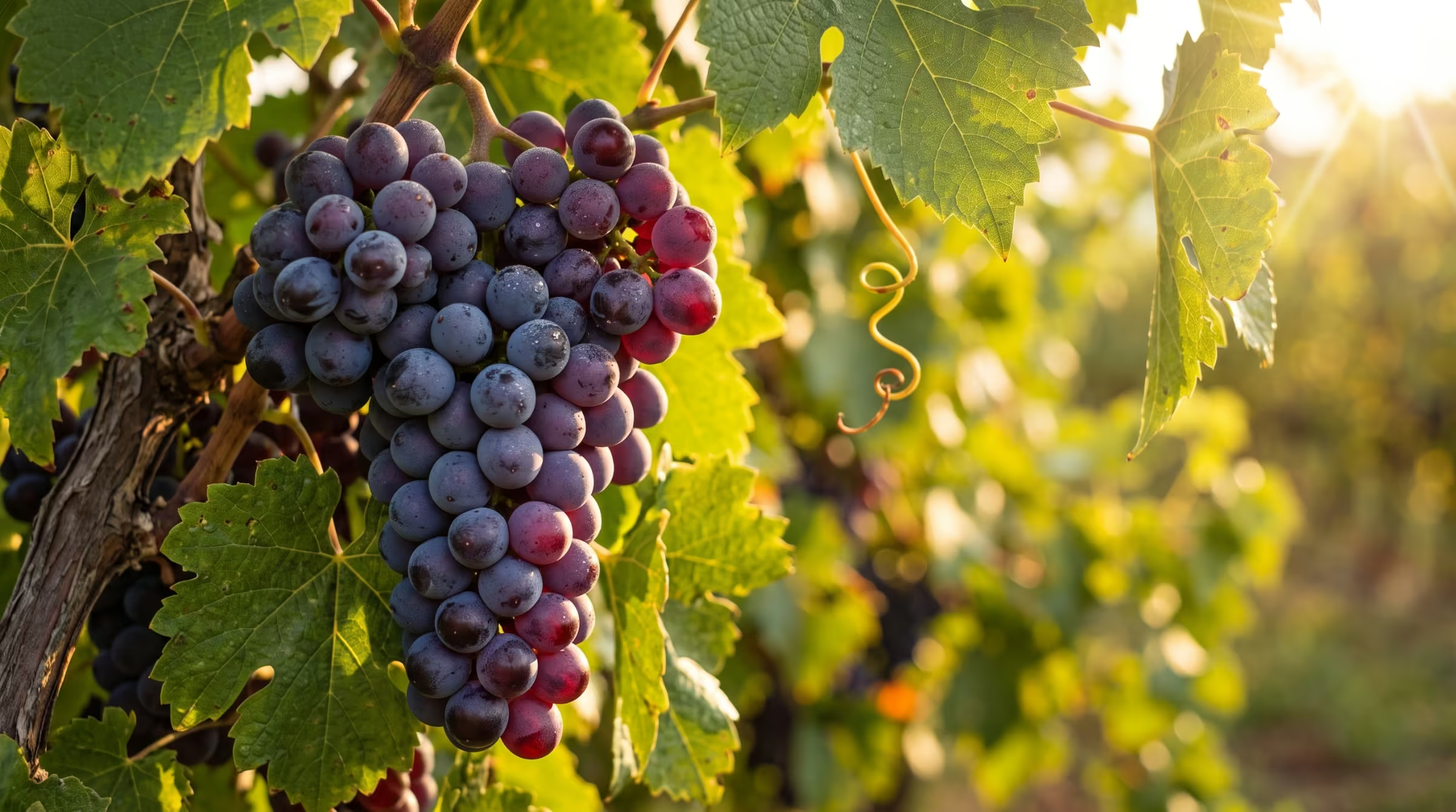
Most red wines are made within weeks of the harvest. The dried-grape reds of the Veneto take the opposite approach. The best bunches of Corvina, Corvinone and Rondinella are laid on bamboo racks in airy lofts and left to dry for three or four months before anyone thinks about pressing them.
By the time the grapes are pressed, usually in January, they have lost around a third of their weight. What remains is concentrated sugar, colour and flavour. The wine that follows is deep, powerful and high in alcohol, but a good one never tastes heavy, because the acidity of the local grapes keeps it fresh.
- Drying the grapes, known as appassimento, concentrates flavour and sugar before fermentation
- Most estates age these wines for at least two years in oak, and often four or more
- A well made bottle can keep improving for twenty years or longer
What time does to it
Young Appassita is all dried plum, fig and chocolate. With ten years in bottle, the fruit softens, the tannins relax and new flavours appear: leather, tobacco, dried herbs. Our Appassita evenings pour five vintages side by side so guests can taste that change for themselves.
- Under five years: dense, sweet fruit and firm tannins, best decanted for an hour
- Five to ten years: fruit and savoury notes in balance, the easiest point to enjoy it
- Over ten years: softer, more complex and best with aged cheese or slow-cooked meat
"This style asks you to wait twice, once for the grapes to dry and once for the bottle to settle. Both are worth it, and the second one is usually harder."
Inside the winter drying loft
Appassimento begins in the vineyard, because only healthy, evenly ripened bunches can survive months of drying. Pickers work slowly, setting aside damaged berries and handling the chosen grapes with care. The bunches are placed in a single layer on racks or shallow crates, leaving enough space for air to move around them. A rushed harvest can undo the patience required for everything that follows.
In the loft, open windows and careful ventilation protect the fruit as autumn turns to winter. Producers inspect the racks repeatedly, removing any berry that shows unwanted mould and moving bunches when airflow changes. Some estates rely almost entirely on cool natural air; others use fans when the weather becomes damp. The aim is gradual dehydration, preserving acidity while concentrating sugar, colour and aromatic material.
Fermentation can be demanding because the concentrated must contains more sugar and less water than freshly pressed juice. Yeasts work slowly, temperatures need close attention and the process may continue for weeks. A good producer resists the temptation to chase power alone. The final wine needs enough freshness and fine tannin to carry its richness through years of ageing in barrel and bottle.
Serving a mature Appassita wine
Serve the wine slightly cooler than a warm dining room, at roughly sixteen to eighteen degrees. Too much heat makes the alcohol feel dominant, while a gentle chill sharpens the fruit and structure. Young bottles benefit from an hour in a decanter. Older vintages should be opened carefully, stood upright beforehand and poured slowly so any sediment remains in the bottle.
Large glasses give the aromas room to unfold, but generous pours are unnecessary. Begin with a small measure and return to it over the course of the meal. Dried cherry and plum may appear first, followed by cocoa, spice, tobacco and savoury herbs as oxygen reaches the wine. The slow change in the glass is one reason this style works so well for a long winter evening.
Pair younger examples with braised beef, game or aged hard cheese. Mature bottles can be quieter and more delicate, so simple dishes often work better: polenta with mushrooms, slow-cooked onions or a piece of well-aged Monte Veronese. Once opened, a sound bottle will usually hold for several days when recorked and kept cool, giving patient drinkers another chance to watch it develop.