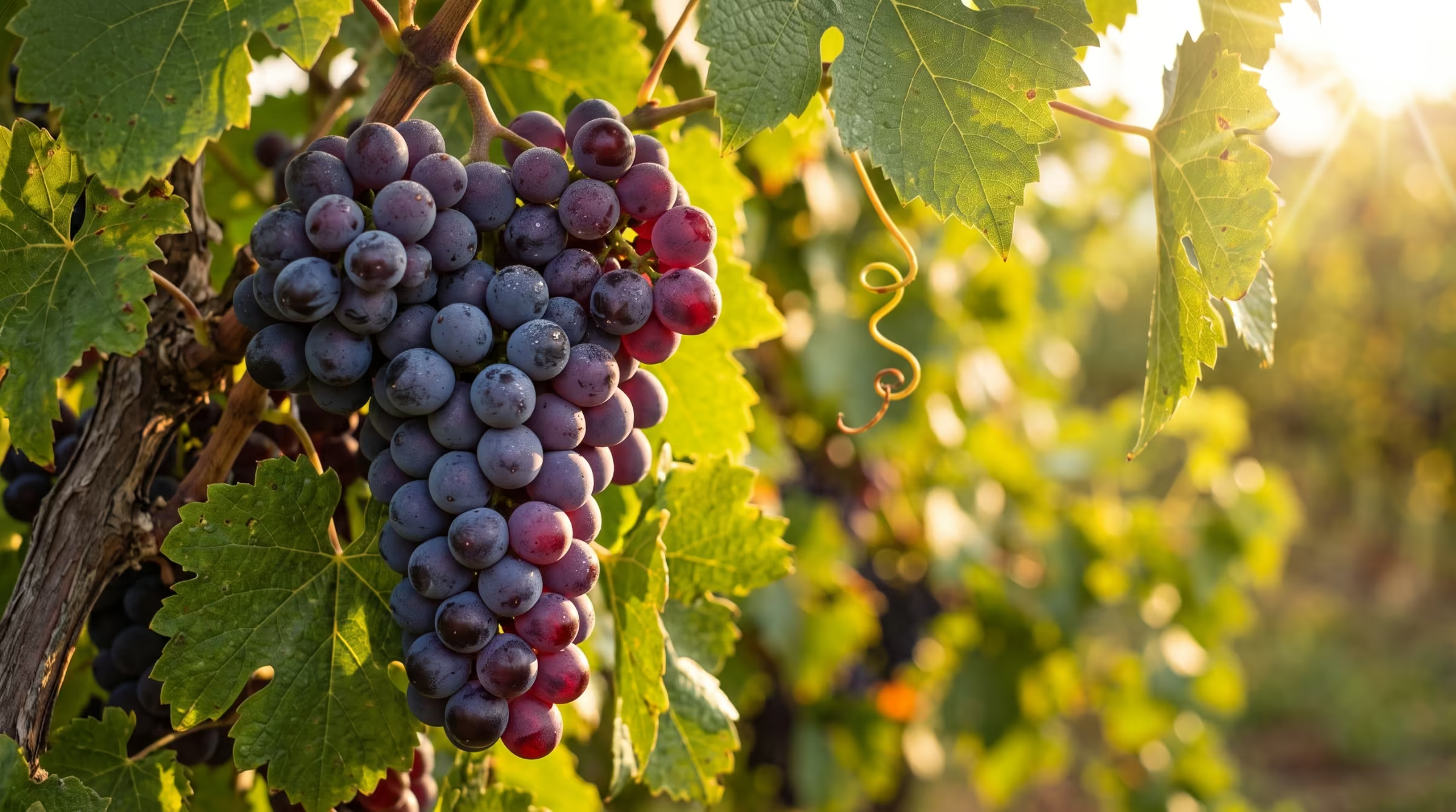

Orange wine is not made from oranges, and it is not a new invention. It is white wine made the way red wine is made: the juice stays in contact with the grape skins for days or weeks, picking up colour, texture and a gentle grip that most white wines never have.
The method is thousands of years old, and it survived in parts of Georgia and in the hills between Italy and Slovenia long before it became fashionable. In Friuli, a handful of growers revived it in the late twentieth century, and their wines are still among the most respected examples.
- The colour comes from the skins, ranging from deep gold to amber and copper
- Skin contact adds tannin, so orange wines feel closer to light reds than to most whites
- They are usually served cool rather than cold, which lets the aromas open up
Why we pour it every night
Our Ambra Macerata from Podere Salbrio spends three weeks on its skins before a year in old oak. It smells of apricot and orange peel, tastes of black tea and dried fruit, and has enough grip to stand up to food that would overwhelm a lighter white.
- It works with radicchio, cured meats and hard cheeses, where many whites struggle
- It is a good bridge for red wine drinkers who want something lighter
- It changes in the glass over twenty minutes, so it rewards drinking slowly
"Orange wine is not a trend to us. It is simply one of the best food wines we know, and we would rather explain it than leave it off the list."
Skin contact changes more than colour
The length of skin contact can range from a few hours to many months, and time alone does not determine quality. A short maceration may add fragrance and a faint grip, while several weeks can create deeper colour, firmer tannin and flavours of tea, herbs and dried fruit. Grape variety, ripeness and extraction all matter, so two wines made for the same number of days can feel completely different.
The vessel shapes the result as well. Stainless steel preserves brightness and fruit, old oak allows slow movement of oxygen, and clay vessels can give the wine texture without adding woody flavour. None is automatically traditional or modern. The best choice is the one that lets the producer manage the skins gently and retain enough acidity to keep the finished wine lively at the table.
Skin-contact wine is sometimes described as wild or funky, but cloudiness and unusual aromas are not requirements. Clean examples can be precise, floral and refreshing, with tannin that feels closer to strong tea than red wine. Other bottles deliberately embrace oxidative or savoury notes. Treating every amber wine as one style hides the same regional and varietal differences we readily recognise in red and white wine.
Choosing your first orange wine
Begin with a bottle that spends one or two weeks on the skins and comes from a naturally aromatic grape. It will show the texture that defines the category without overwhelming the palate. Ask for something dry, fresh and moderate in alcohol, then serve it cool rather than refrigerator-cold. Ten minutes in the glass will reveal far more than the first sip.
Food makes the style easier to understand. Try it with roast vegetables, mushrooms, cured meat, mature cheese or dishes seasoned with saffron and warm spices. The tannin handles richness, while the acidity refreshes the palate in the way a white wine should. This ability to cross the usual red-and-white divide is why orange wine works so naturally across a table of shared plates.
Do not rush to finish the bottle. Many skin-contact wines become more expressive after an hour and remain sound the following day. Recork the bottle, keep it cool and taste it again with a different dish. Watching the aromas move from fresh fruit towards tea, spice and herbs is often the moment when the method stops feeling like a trend and starts making practical sense.